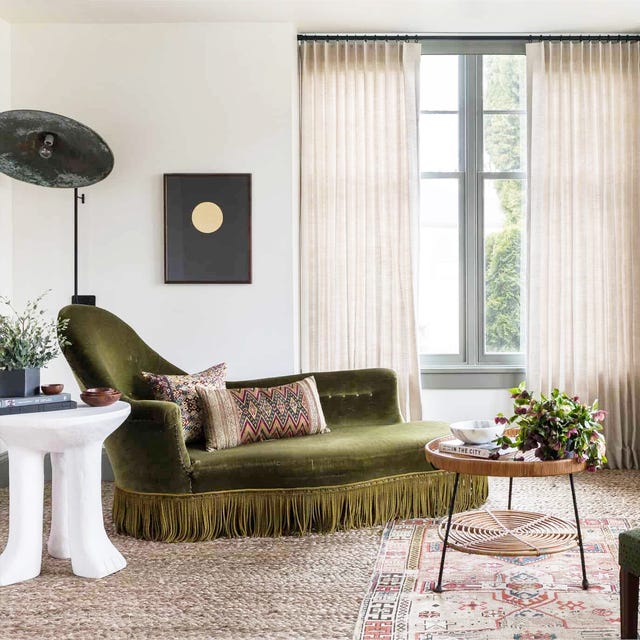
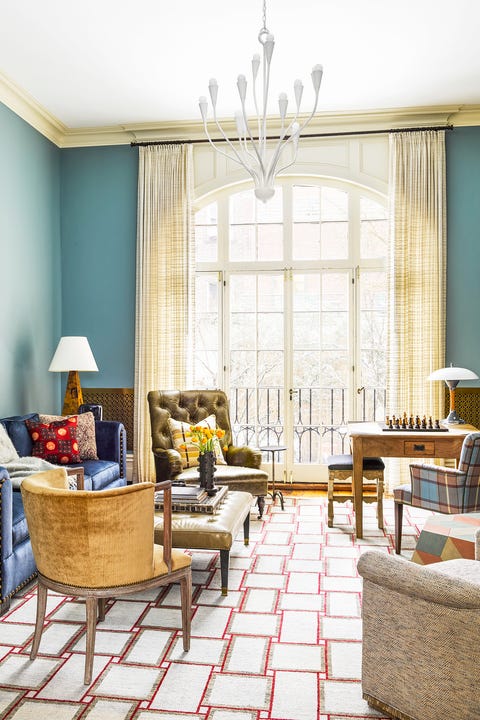
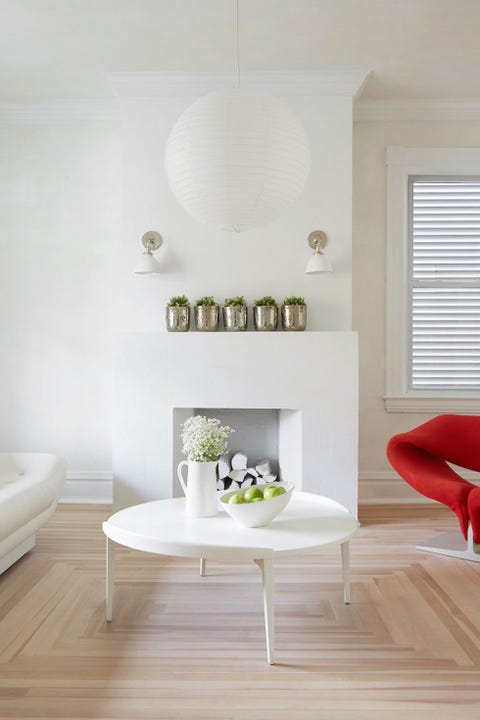
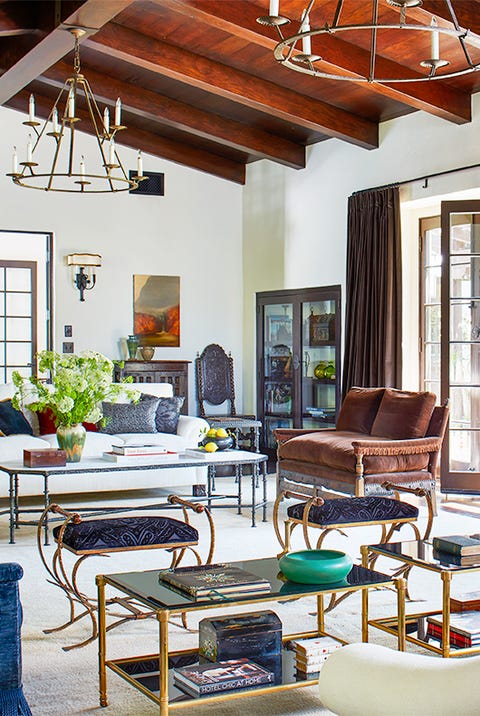
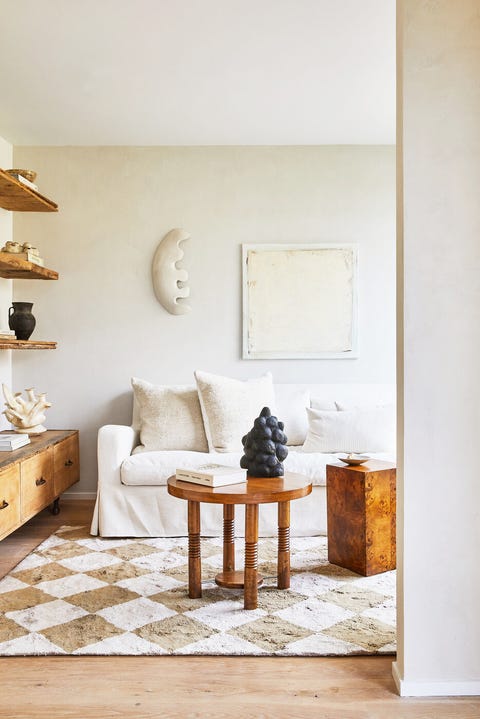
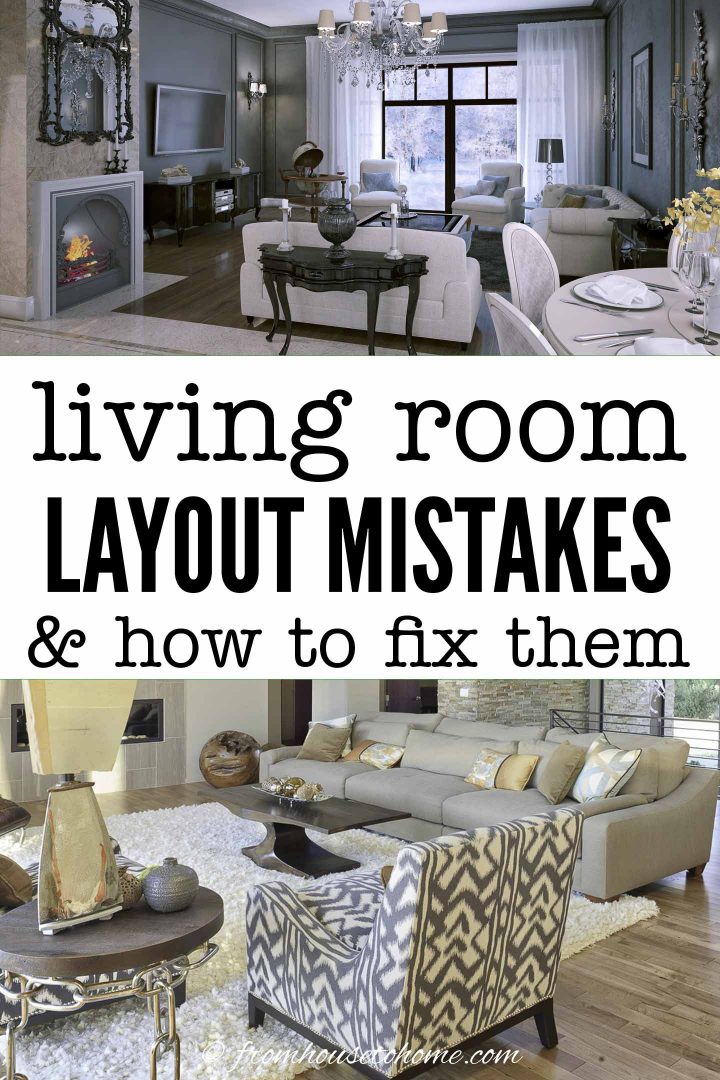
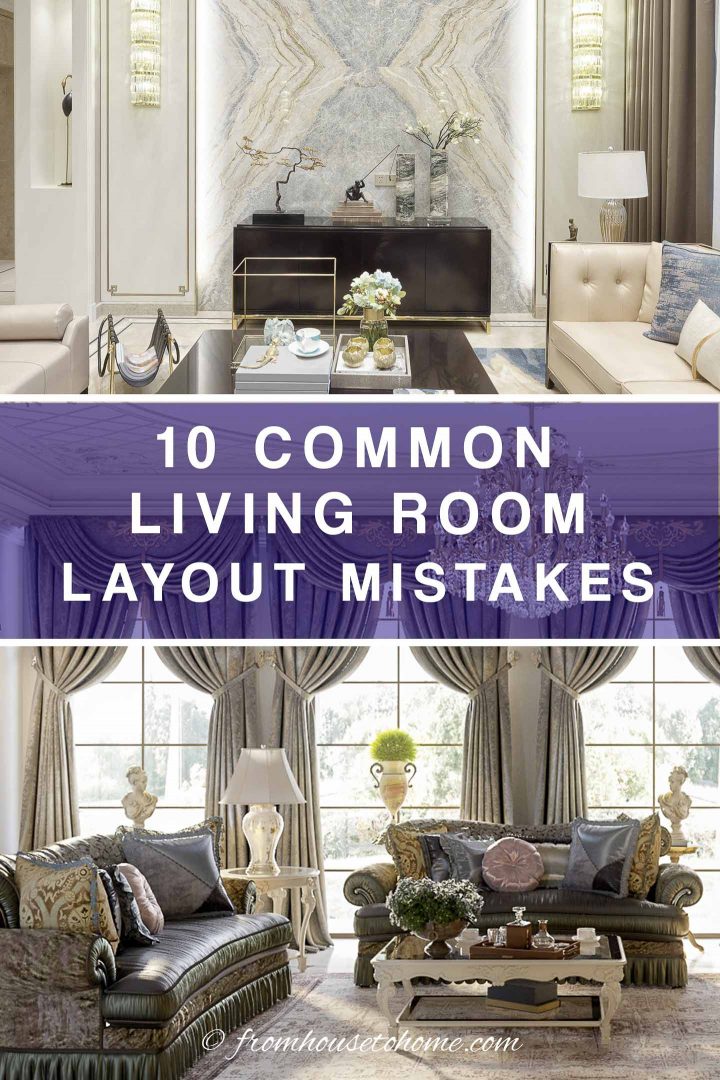
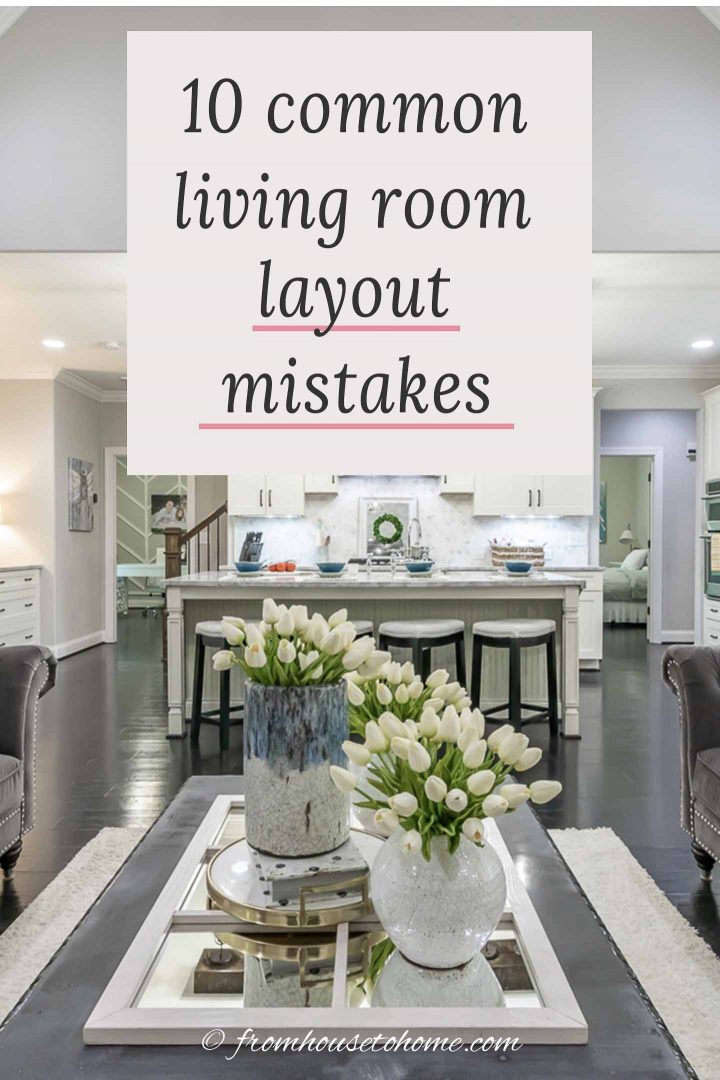
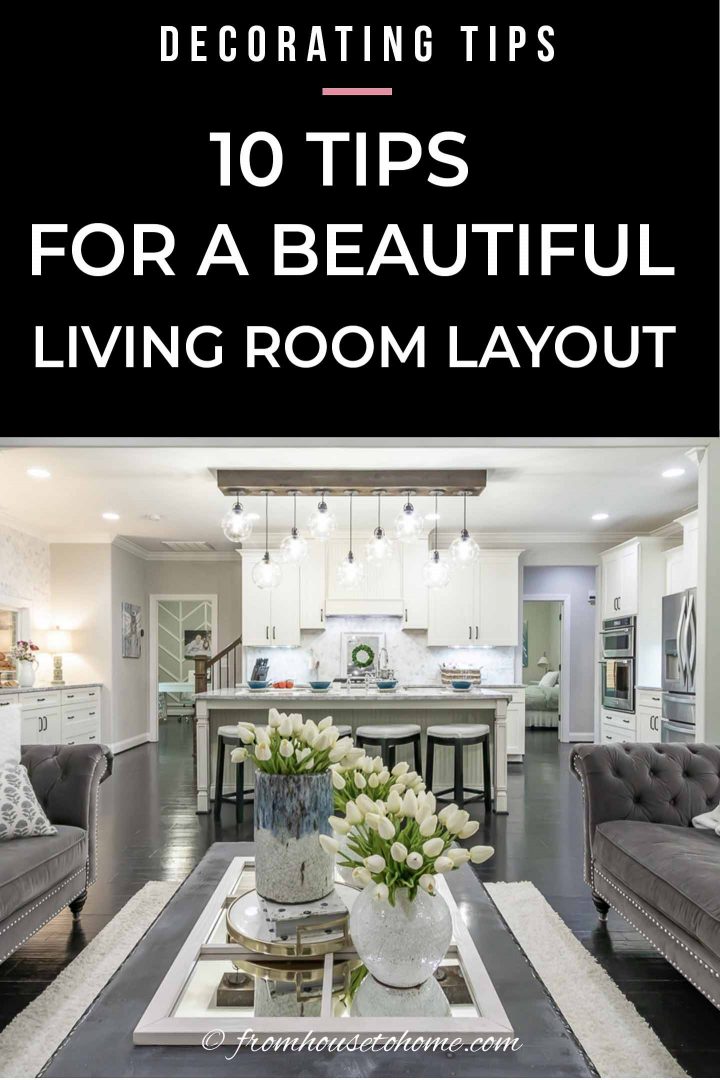
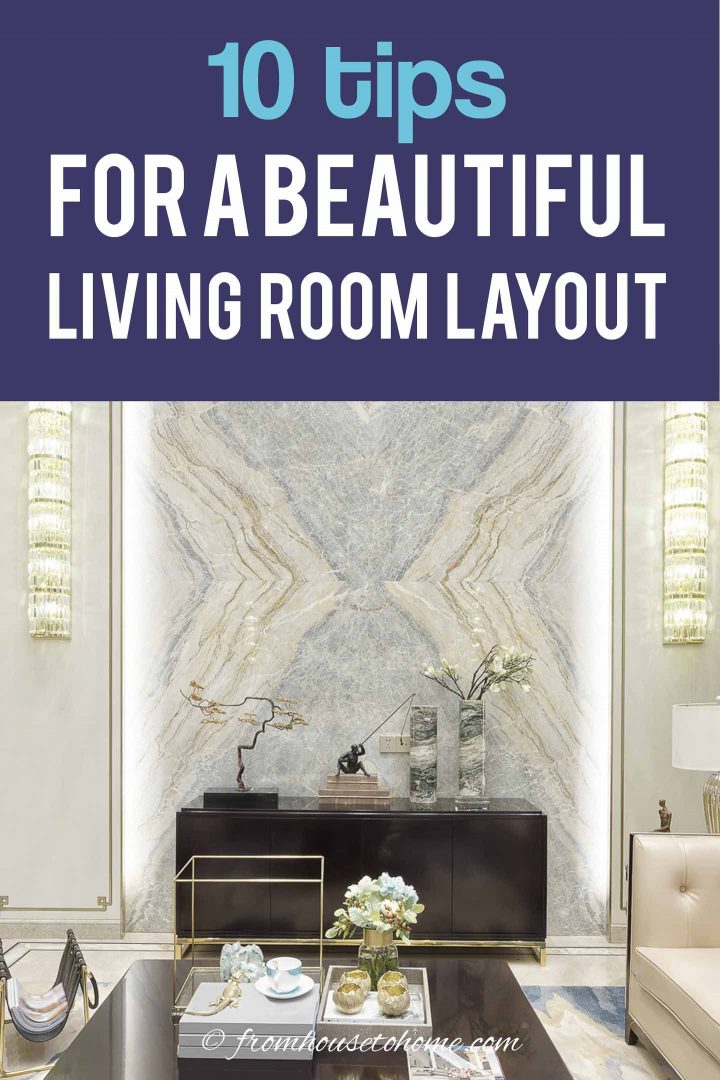
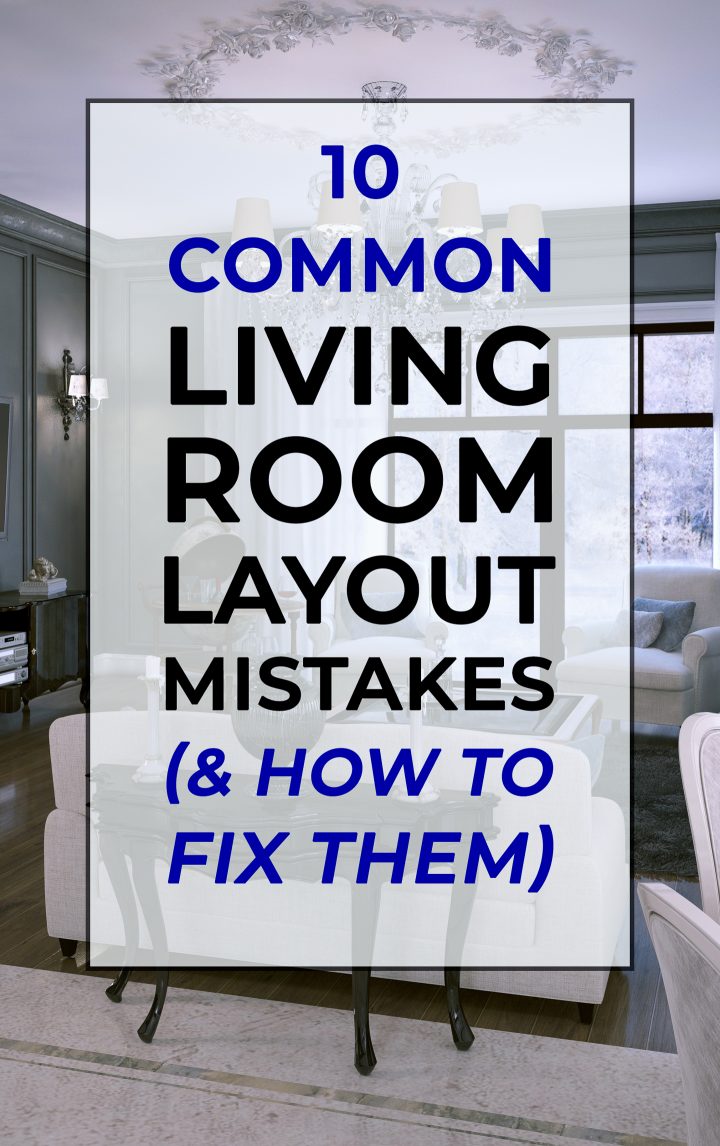
The living room is one of the most important areas in your house for a great hosting experience. It's likely you and your guests will spend countless hours in this room, discussing and entertaining.
Decorating your living room properly will deliver deeply satisfying living for your leisure time. To get there, however, you must pay attention to all of the following areas:
1. the colors that you select
2. material and quality of seats and furniture
3. wall decorations and art
4. lighting and light fixtures
Below we show you some great ideas for decorating your living room.
The Best Colors for Your Living Room
One area that will have a disproportionate impact on the mood of your living room is the color you choose for the walls. While you can install wallpaper to change the look of certain walls, there are areas that wallpaper cannot cover. Getting the wall color right, therefore, gives you the best shot at creating a remarkable effect.
Some of the best color palettes for living rooms include:
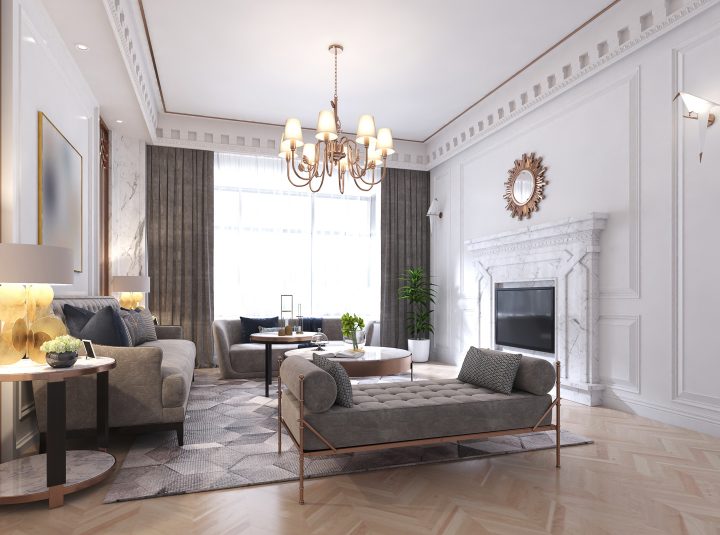
1. White - White walls add a touch of class. They are the perfect backdrop for decorating with upscale furniture.
2. Turquoise - This color is great for creating an informal but refined feel. Your kids and family will love the refreshing mood this color creates.
3. Cream - Striking a balance between formal and informal, cream-colored walls create a quiet, soothing effect.
Furniture Choices
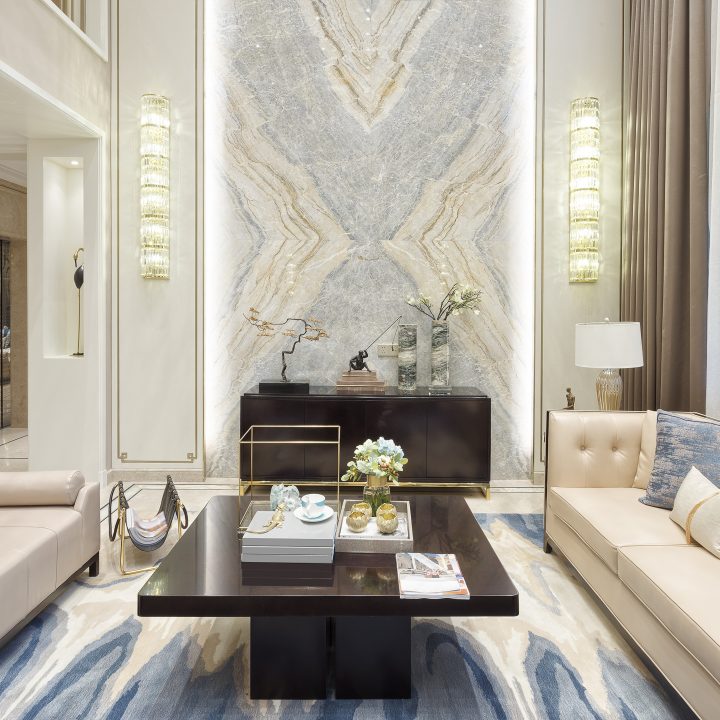
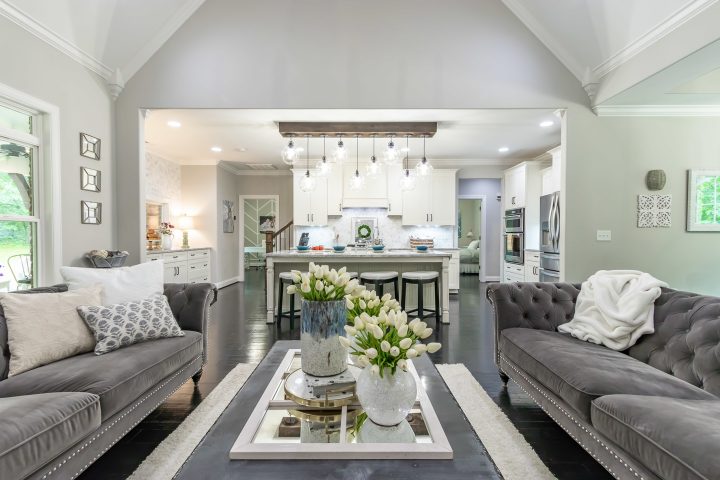
With your wall color selection made, you should select furniture that pairs well with the colors you've already chosen. For example, combining white couches with white walls will create resonance in your room design.
Make sure to provide ample seating to avoid crowding. Add multiple sofas, easy chairs and other seats that can accommodate a complete roomful of people, depending on the size of the room.
Furniture like TV stands and tables should generally blend in with the colors of the room and ceiling. There are some natural materials, however, that can work regardless of the colors on the walls. For example, wooden table surfaces look good whether your walls are white, blue or another color.
Lighting Ideas
You can greatly improve the aesthetics of a living room with bright lighting and impressive light fixtures.
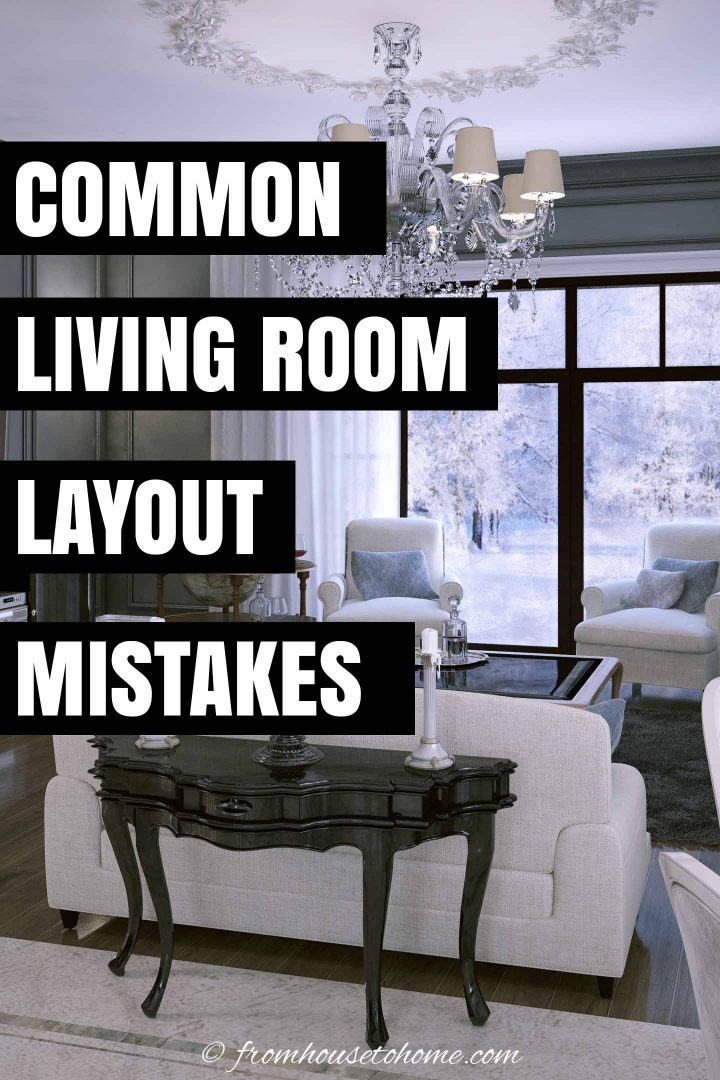
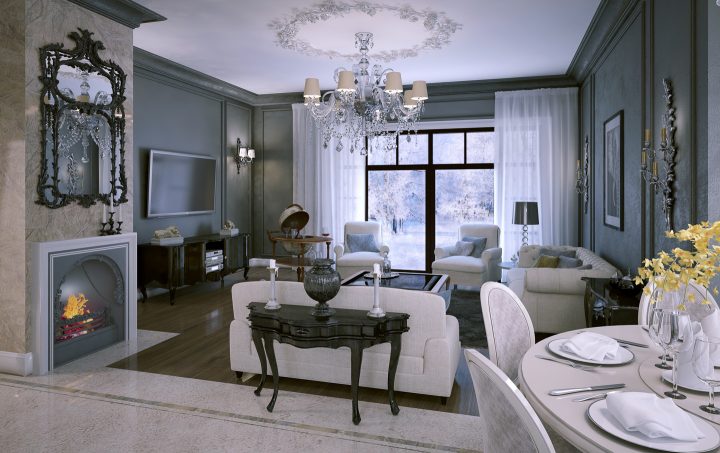
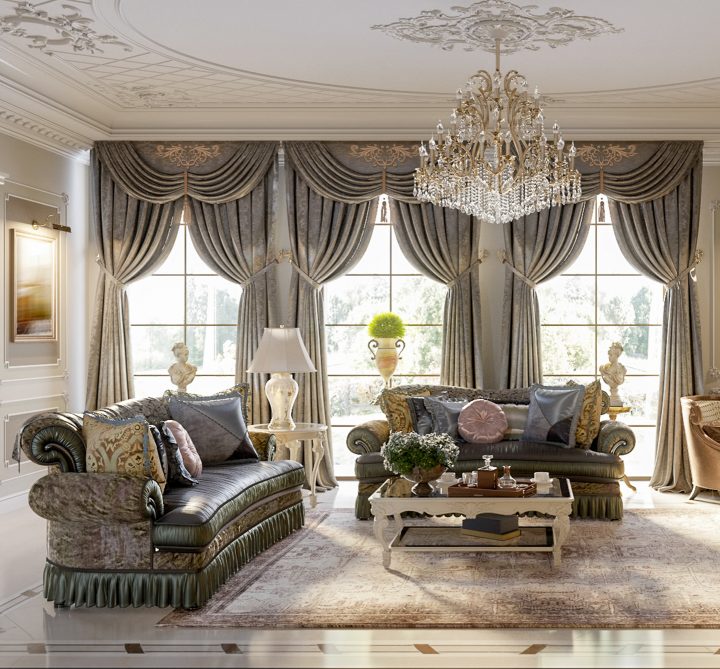
To start, you can consider a beautiful chandelier in the center to provide light around the whole room. This central masterpiece ensures adequate lighting throughout the living room while adding an air of elegance.
You can then add to the light sources in the living room with individual lights on tables and around the walls in areas where people will not knock them down.
Carpeting
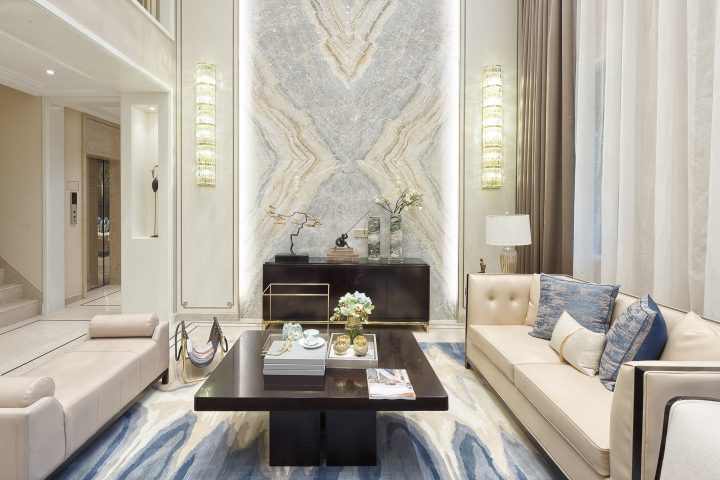
Consider adding carpeting to your living room to create a comfortable walking area. Carpeting lets you and your guests go barefoot if you choose. The living room almost demands this since you will want to take off your shoes and kick back on occasion. Warm plush carpets provide a good, comfortable surface for this. There are many choices when it comes to carpet size.
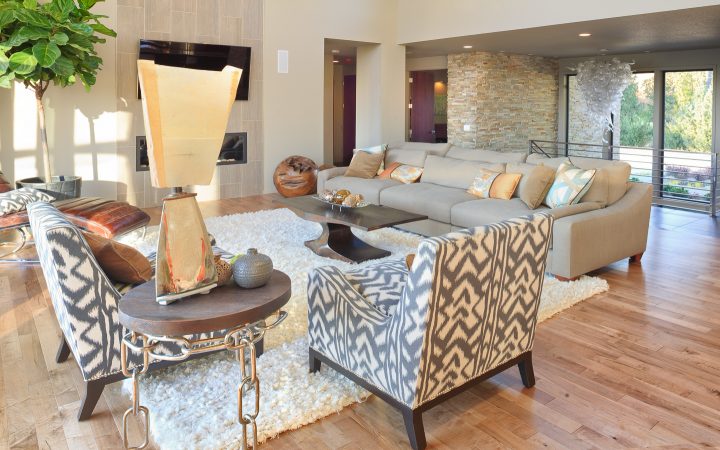
If your living room is very large, you can opt for wall-to-wall carpeting. On the other hand, if it's smaller, you can add just an area rug in the place where you will sit. For example, you can have a rug around the sitting and TV area where your kids will play.
The advantage of area rugs over wall to wall carpeting is, mainly, lower costs and ease of replacement. You can completely change the area rug and create a new aesthetic in a fraction of the time it would take to begin installing new wall-to-wall carpeting.
Art Ideas for Your Living Room
Many homeowners like to have some wall art in their living room. If your living room is spacious, it can accommodate a good-sized piece of art mounted alongside one wall. In some instances, you can consider multiple art pieces. Invariably, tasteful art adds to the sophistication of a living room. It adds an interesting item that sparks many conversations from impressed guests.
Selecting art is an opportunity to express your unique personality. If you are fairly conservative, you can select some classical type pieces that portray a quiet life. If you are more adventurous, you can experiment with a post-modern impressionist piece that others might consider risky. It's your space, and so feel free to decorate it to express who you are.
Sure, well-made, beautiful furniture and a strategic layout are important elements of a living room design, but you know what literally sets the mood? Lighting. From understated and recessed to over-the-top statement pieces, the options are endless. Ahead, we're spotlighting fifteen living room lighting ideas (both ambient and task-specific) to keep your entertaining and hangout space well-lit, stylish, and functional.
Corinne Mathern Studio
1 of 15
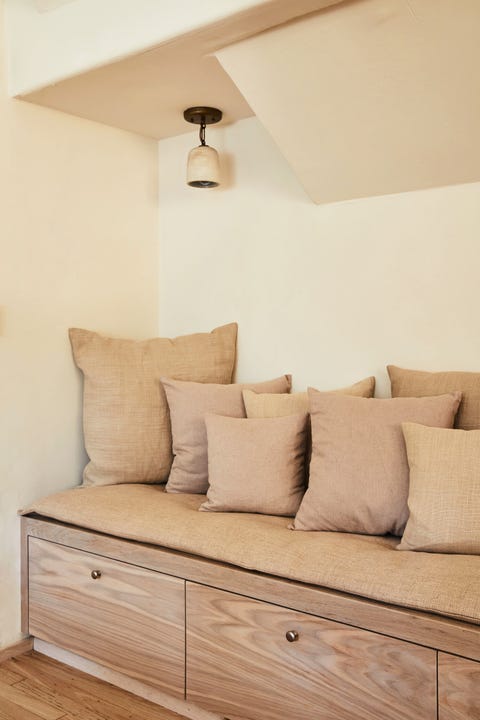
Mini Pendant
If you have a small little niche in your living room, transform it into a reading nook. Take inspiration from this one designed by Corinne Mathern Studio, which features a built-in bench covered in throw pillows and comfy cushions. Add a mini pendant to illuminate the nook without taking up floor space.
Anna Spiro Design
2 of 15
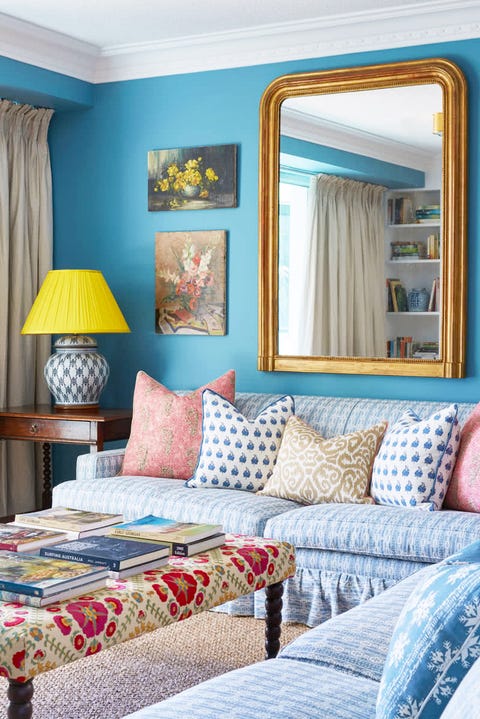
Fun Lamp Shade
The pleated lemon yellow lampshade in this colorful living room designed by Anna Spiro Design is the cherry on top. Though the fun pillows and ottoman, elegant gilt mirror, and bright blue walls make the space fun and inviting, the lamp is what really makes it pop.
Fantastic Frank
3 of 15
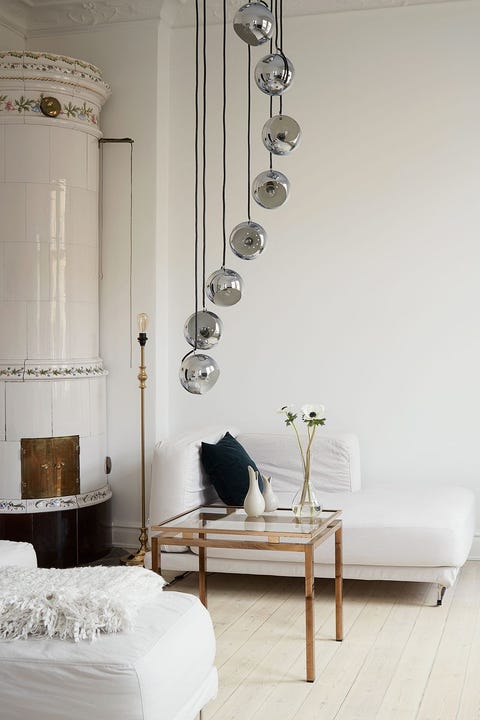
Multi-Tiered Pendant
Want to go a little glam without looking too showy? Add in minimal brass accents, like a metal-frame coffee table and eye-catching metallic lighting. This living room is also a good blueprint for small space decorating. While the only three furniture items are two seats and a small coffee table, the ceiling light is all it takes to make the entire room feel special.
Annie Schlechter
4 of 15
Modern Chandelier
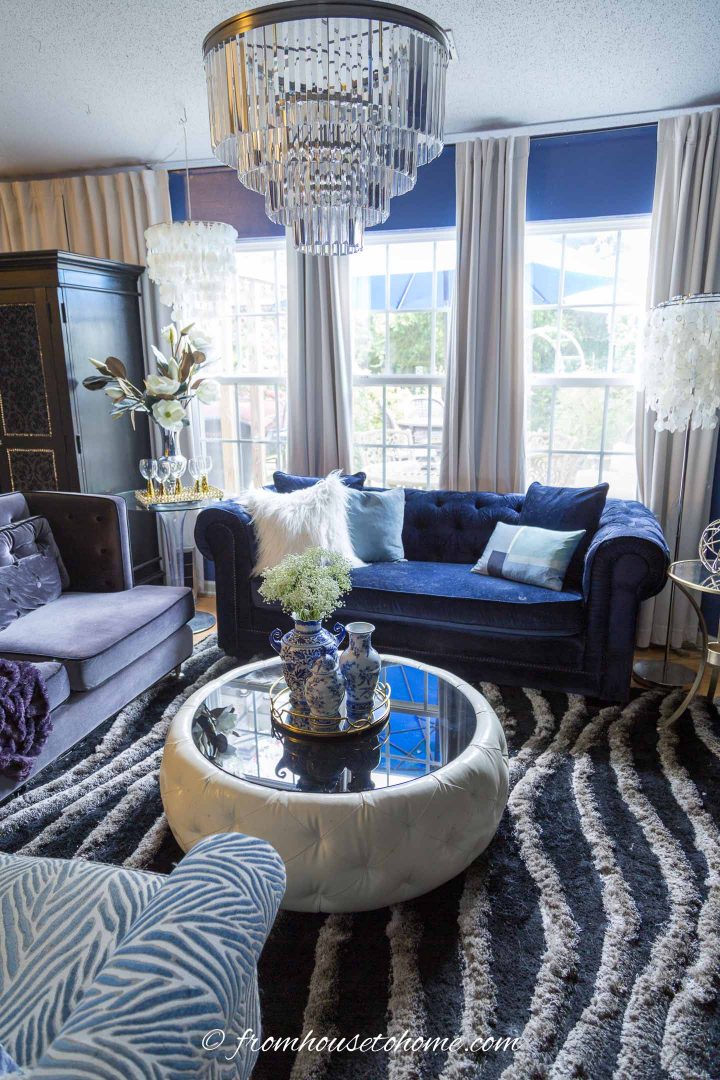
Designed by Studio Riga, this blue living room is lit up by a modern white chandelier that contrasts well with the more traditional elements, such as the tufted seating and chesterfield sofa. The two table lamps also provide some extra task lighting.
Reid Rolls
5 of 15
Paper Shade Pendant
Rice paper shade pendants are as affordable as it gets when it comes to statement lighting that also looks elevated and sleek. They also emit a soft glow. In this living room designed by Leanne Ford Interiors, it complements the all-white aesthetic beautifully.
Trevor Tondro
6 of 15
Matching Fixtures
If you have a super spacious living room, consider breaking it into two distinct sitting areas and creating symmetry by hanging identical light fixtures over each. Take a cue from this Spanish-inspired great room by Madeline Stuart.
Nicole Franzen
7 of 15
Sculptural Sconce
Opt for a sculptural sconce that doubles as artwork to spice up your living room wall. It's an especially effective way to embolden a minimalist living room like this one.
Heather Hilliard Design
8 of 15
Recessed Lighting
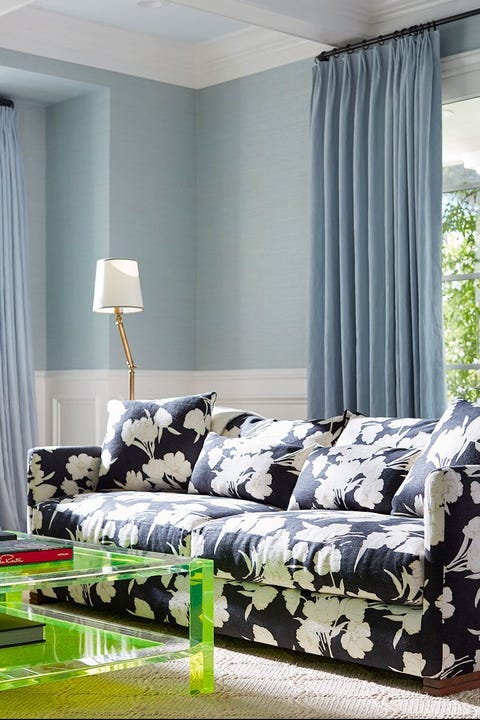
Though the classic floor lamp adds some nice task lighting, the recessed lighting in the coffered ceiling is what really brightens up this living room by designer Heather Hilliard, who added some unexpectedly edgy elements. The floral sofa and the green lucite coffee table are welcome surprises that break up the classic elements without overpowering them.
Tamsin Johnson Interiors
9 of 15
Spotlights
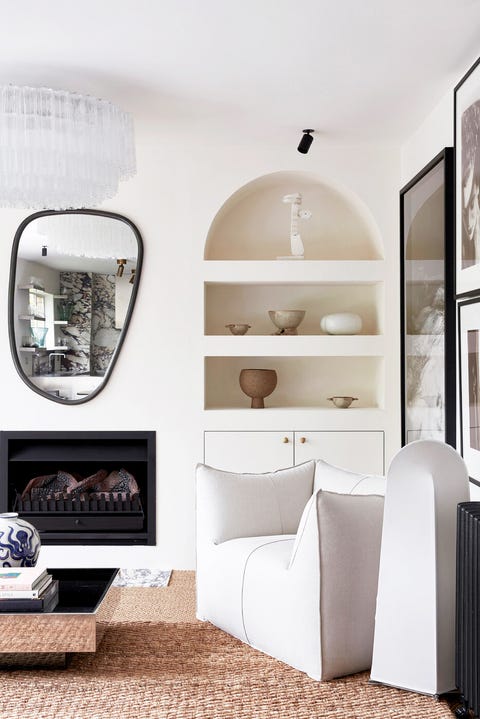
Modern and minimalist spaces, like an open loft or new development, can be warmed up with earth tones, layers of plush materials, and artful accessories. Here, Tamsin Johnson kept the edgy vibe alive with an avant-garde mirror and a low-to-the-ground chrome coffee table. She also added extra lighting by installing sleek black spotlights by the built-ins.
Roland Bello
10 of 15
Sconce Lamp
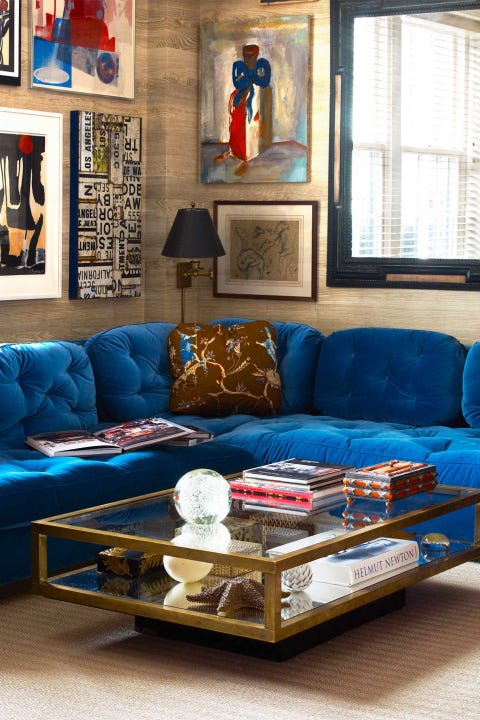
A blue velvet sofa stands out in the family room of a Manhattan apartment designed by the inimitable Miles Redd. The wallpaper is hung horizontally rather than vertically for a modern, offbeat look. The sconce lamp in the corner lights things up without taking up floor space or being shoved awkwardly behind the sofa.
Alexandra Ribar
11 of 15
DIY Pendant
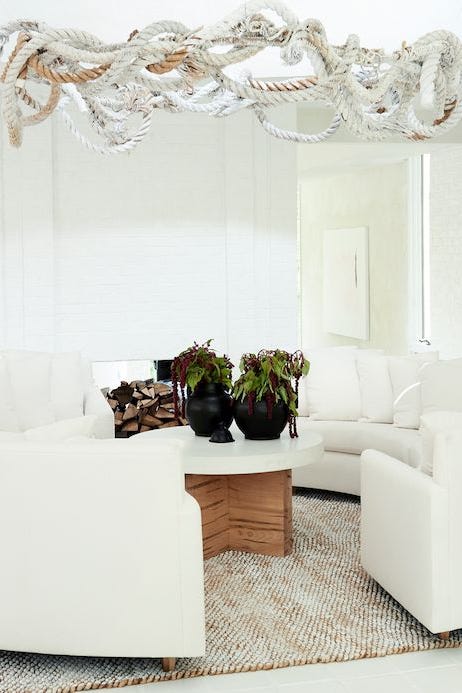
Get creative! You don't have to invest in a super expensive statement piece to have beautiful lighting. Designer Leanne Ford painted the natural IKEA rug and custom-made rope light to coordinate.
Heidi Caillier Design
12 of 15
Drum Pendant
In this eclectic living room designed by Heidi Caillier, the jute rug, wood finishes, and brass accents—particularly the inverted drum pendant—bring plenty of warmth to ensure a cozy, inviting space. The off-white walls also help warm up the room.
Kingston Lafferty Design
13 of 15
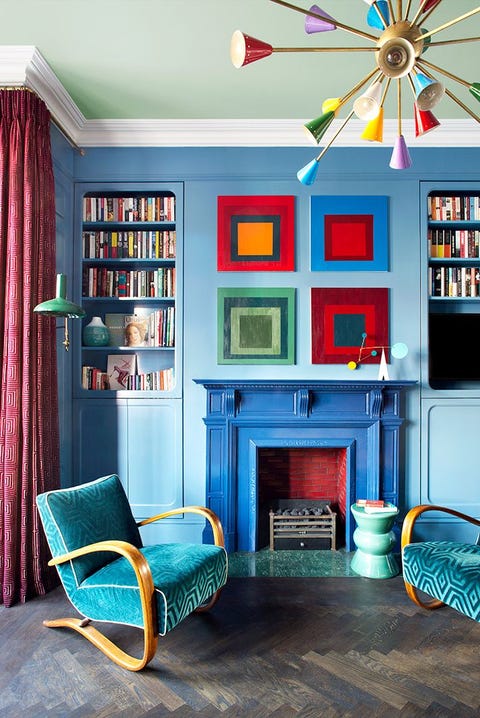
Rainbow Sputnik
This fun and playful yet classic living room designed by Kingston Lafferty revolves around the rainbow sputnik chandelier. Sputniks are great for a burst of energy, as the very shape makes them appear to be radiating joy.
Tamsin Johnson
14 of 15
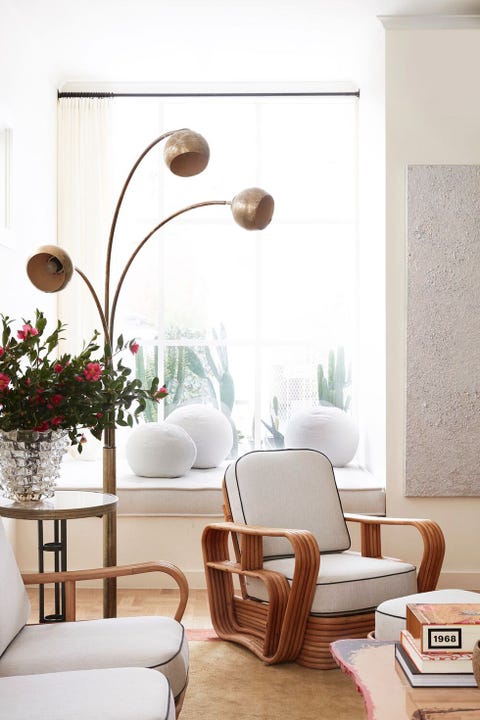
3-Headed Floor Lamp
Though understated and neutral in color, this living room designed by Tamsin Johnson incorporates plenty of personality, from the three-tiered arc lamp to the beachy rattan furniture. While the shapely floor lamp adds character, the abundant natural light also helps set the tone for the room. The window seat is a great addition to a living-room-family-room hybrid since it blends into the background when not in use but also provides a cozy spot when the occupant just feels like hanging out.
Studio DB
15 of 15
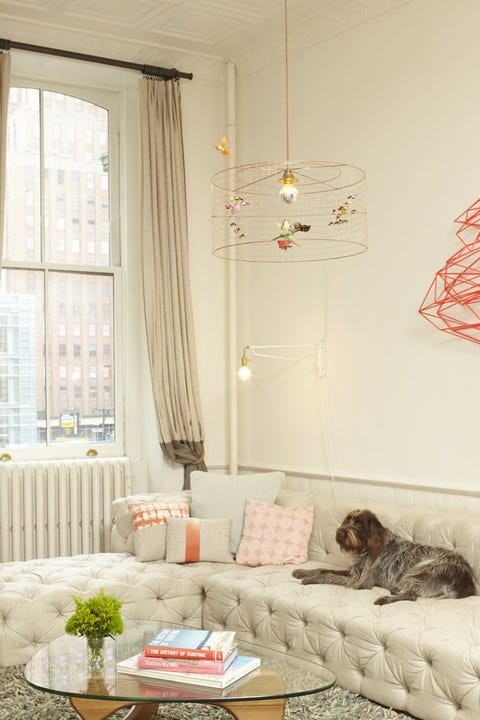
Whimsical Pendant
If your formal living room is also your family room, you want to make sure it strikes a balance between super comfortable and presentable. A cozy family room that cleans up nicely, if you will. A super soft sectional with plenty of space to spread out for movie nights is a must, but choose one that also looks elegant. Then add fun, eye-catching lighting for an extra punch of whimsy, like the pendant in this Studio DB-designed room.
Advertisement - Continue Reading Below
Hadley MendelsohnSenior EditorHadley Mendelsohn is House Beautiful's senior editor, and when she's not busy obsessing over all things decor-related, you can find her scouring vintage stores, reading, or stumbling about because she probably lost her glasses again.
This content is created and maintained by a third party, and imported onto this page to help users provide their email addresses. You may be able to find more information about this and similar content at piano.io
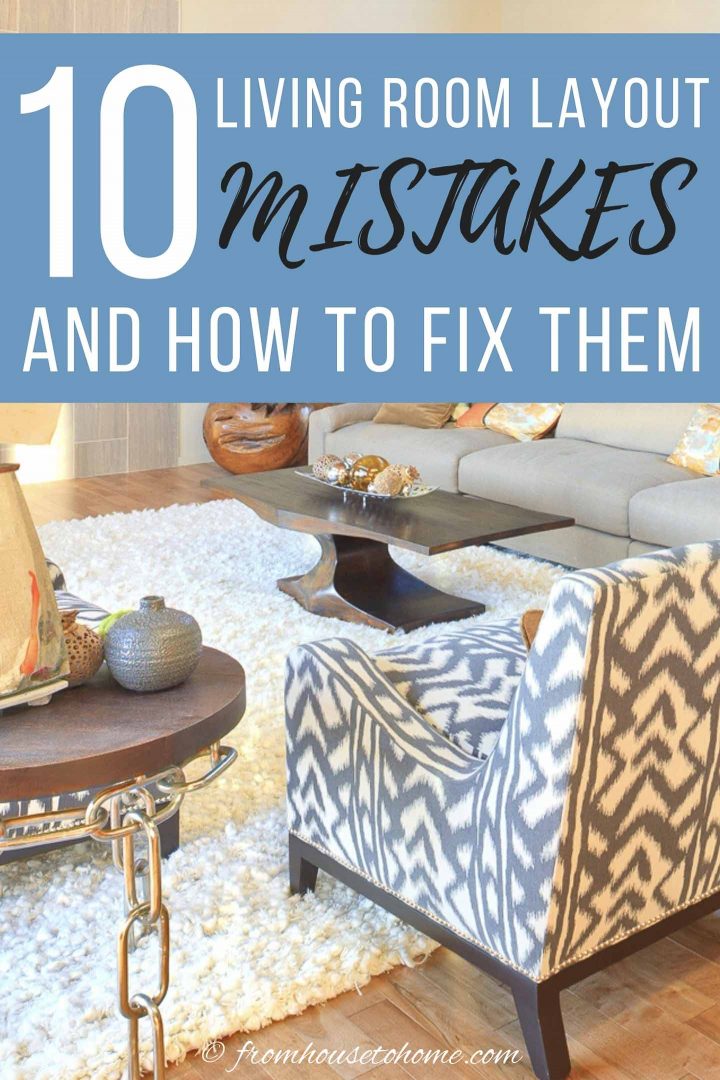
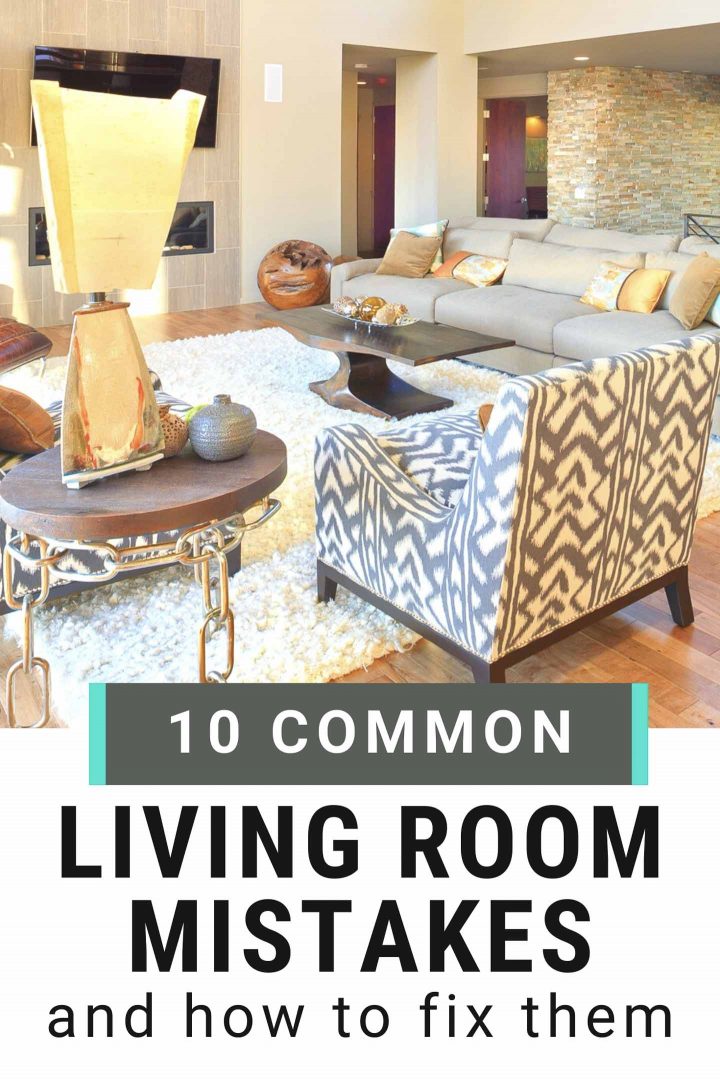
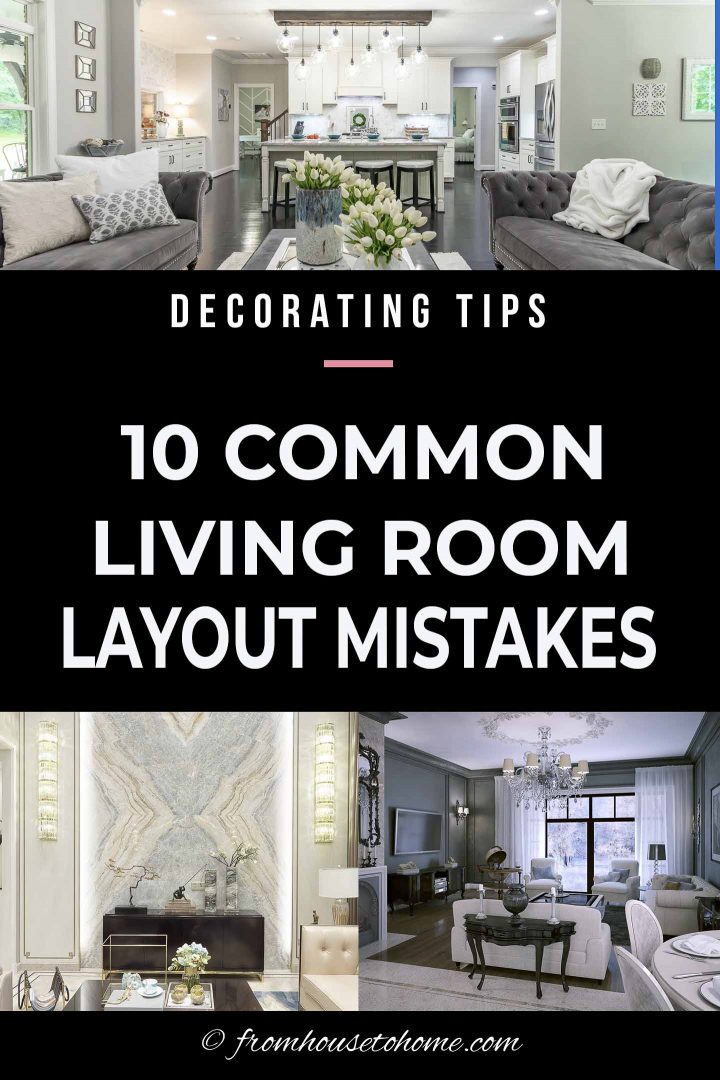
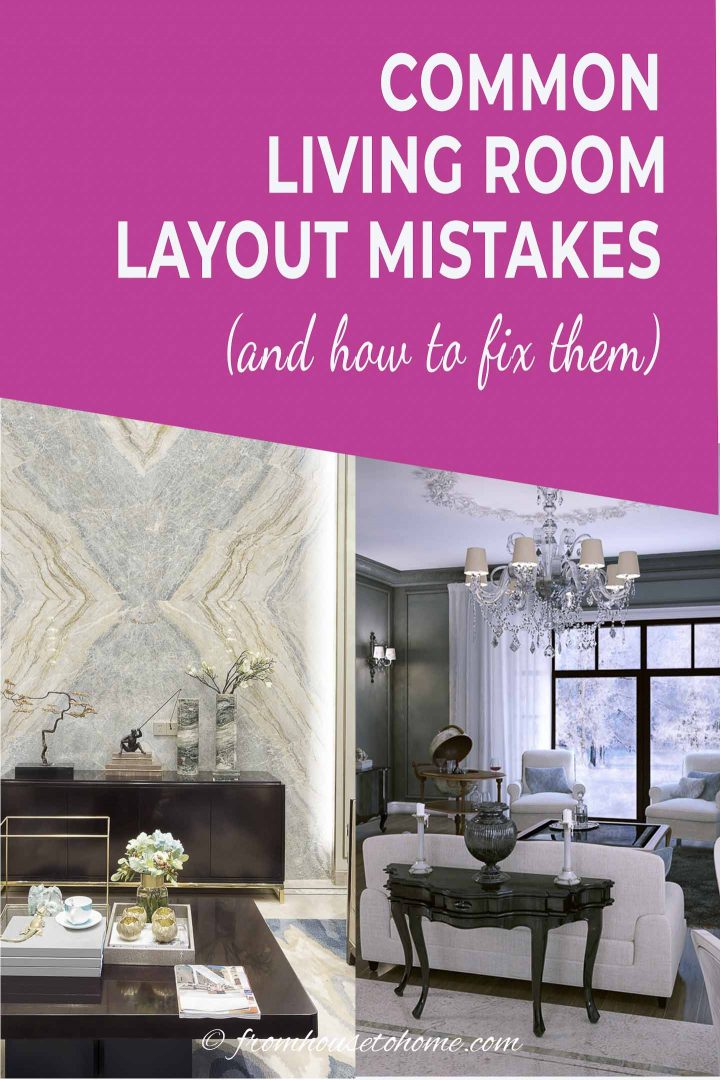
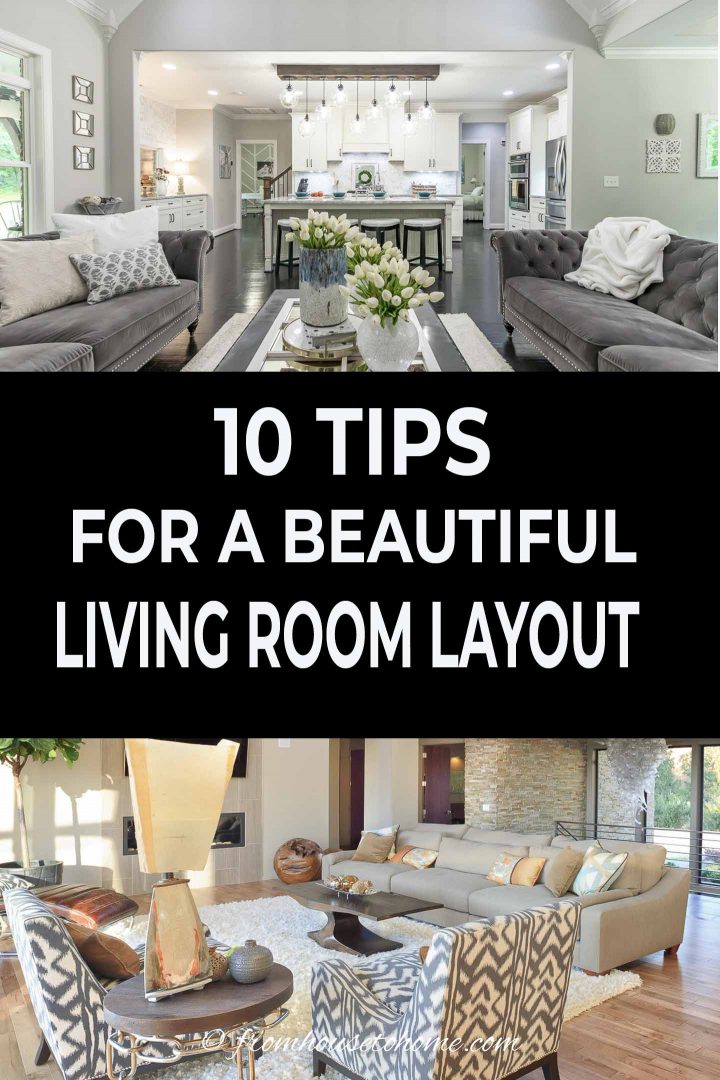
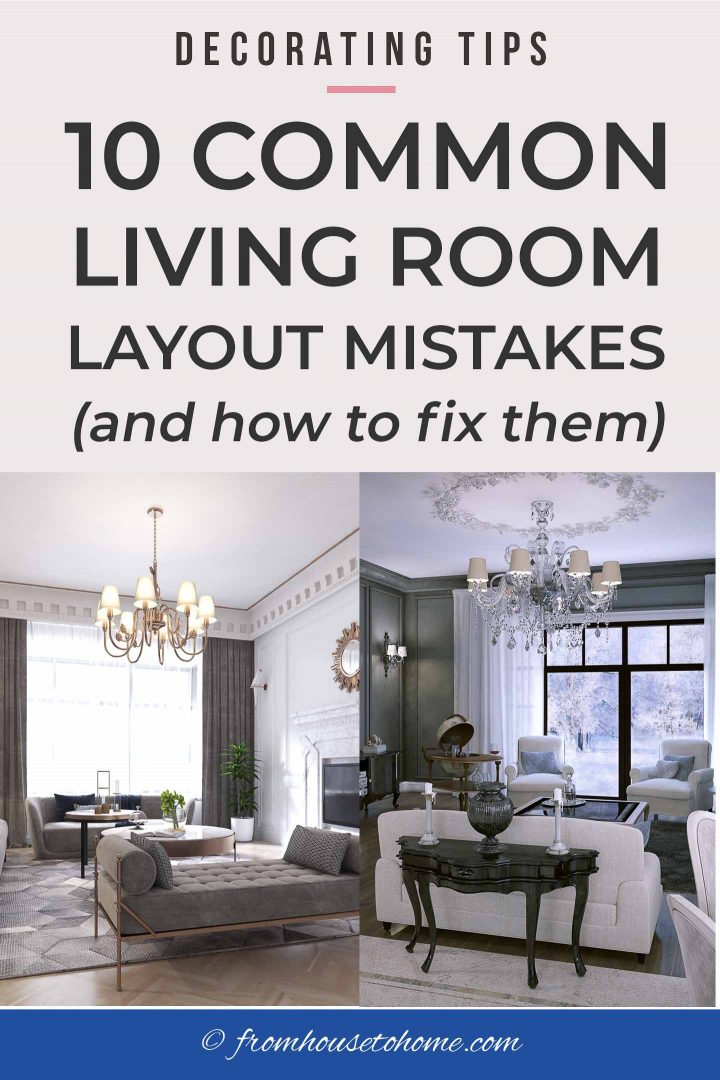
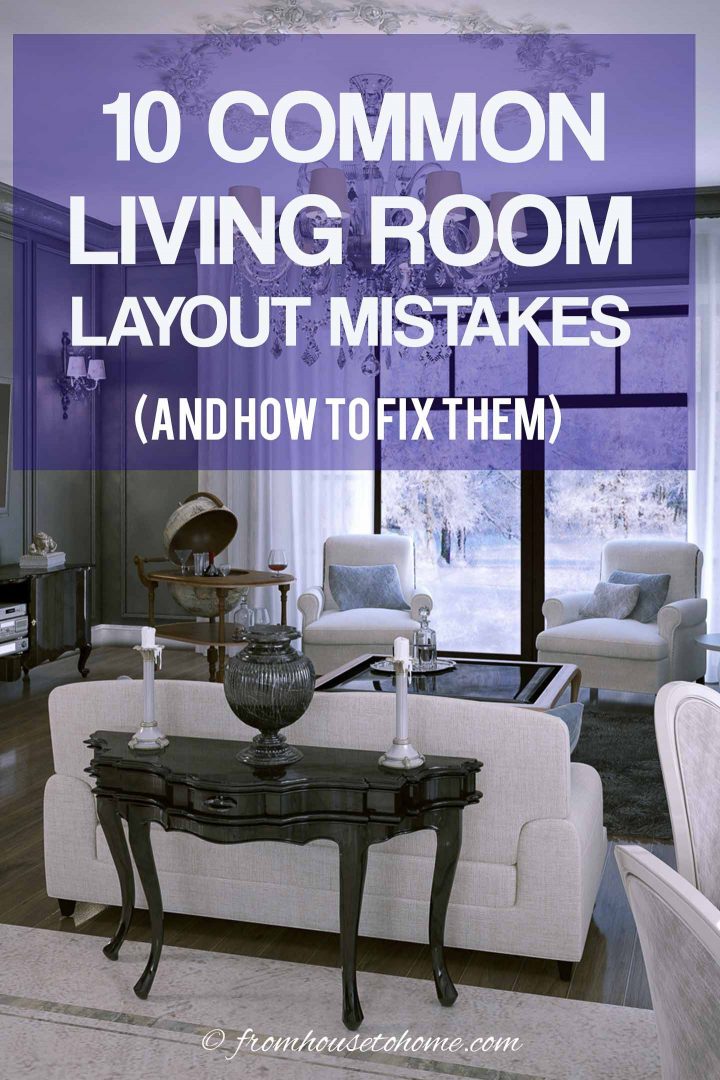
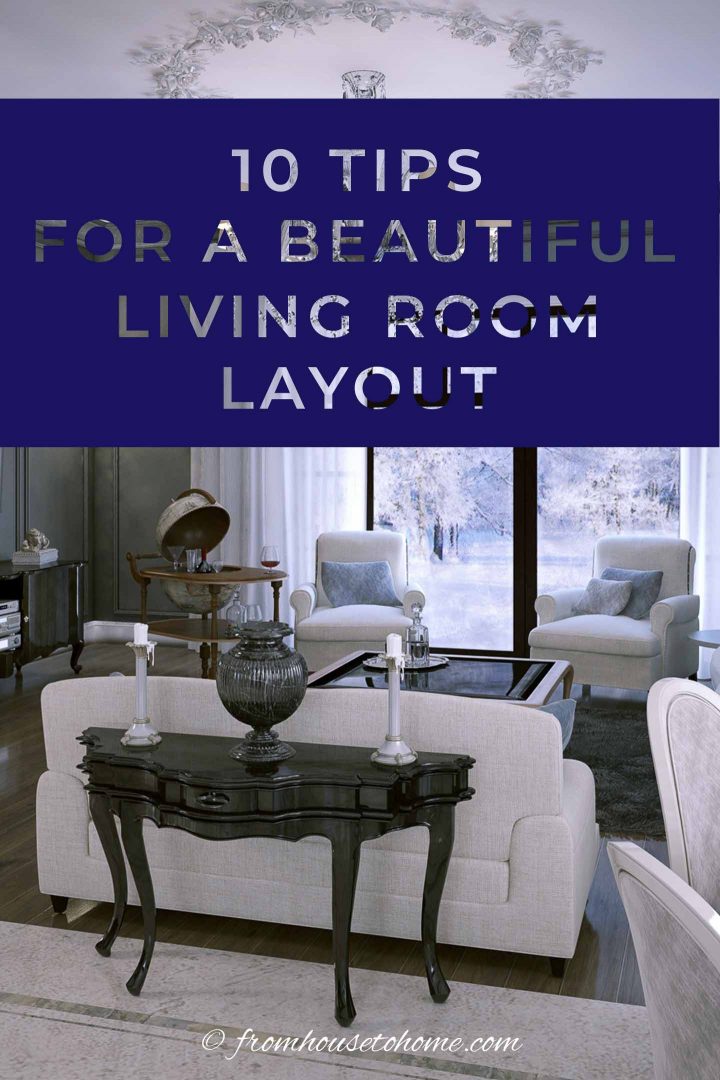
The living room is often one of the most-used rooms in the house, and usually wears many hats. Sometimes it's a room for entertaining, sometimes it's a relaxing spot to read a book and sometimes it's a comfy place to watch TV or do homework.
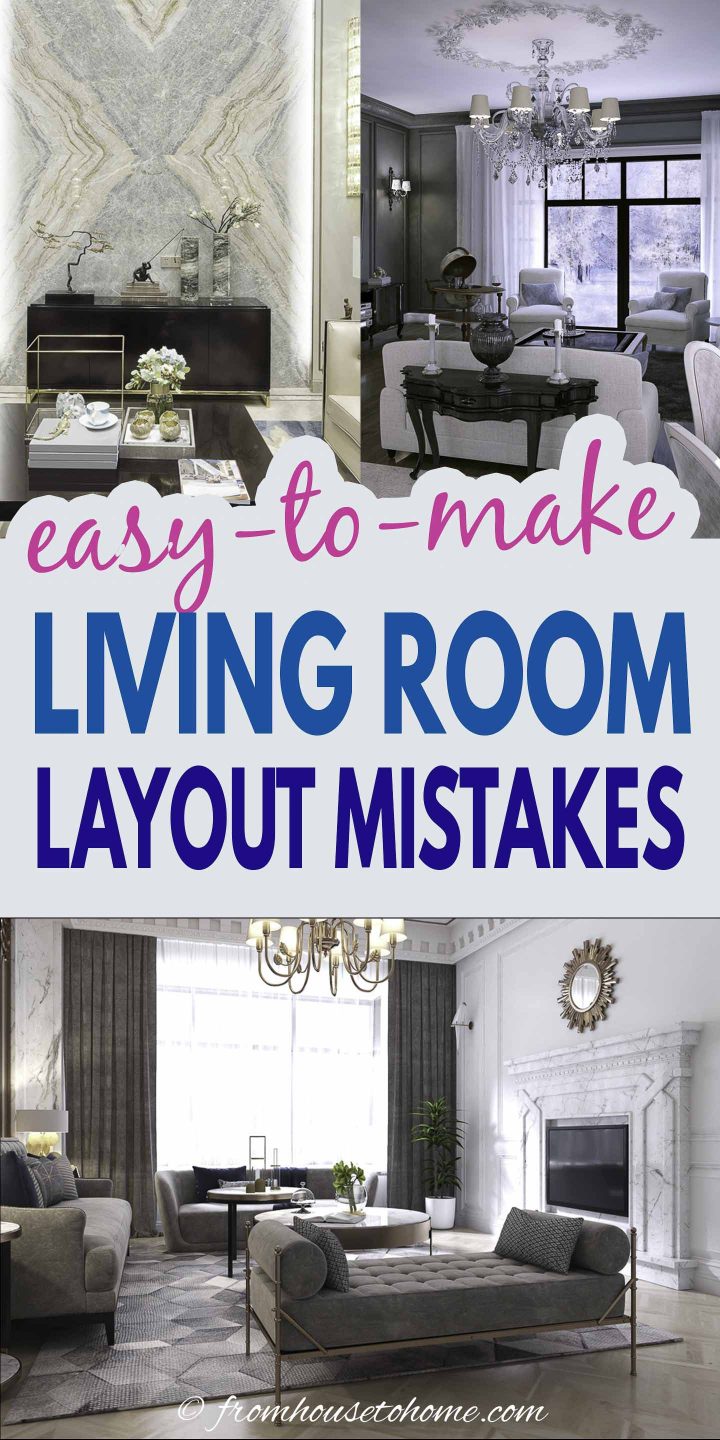
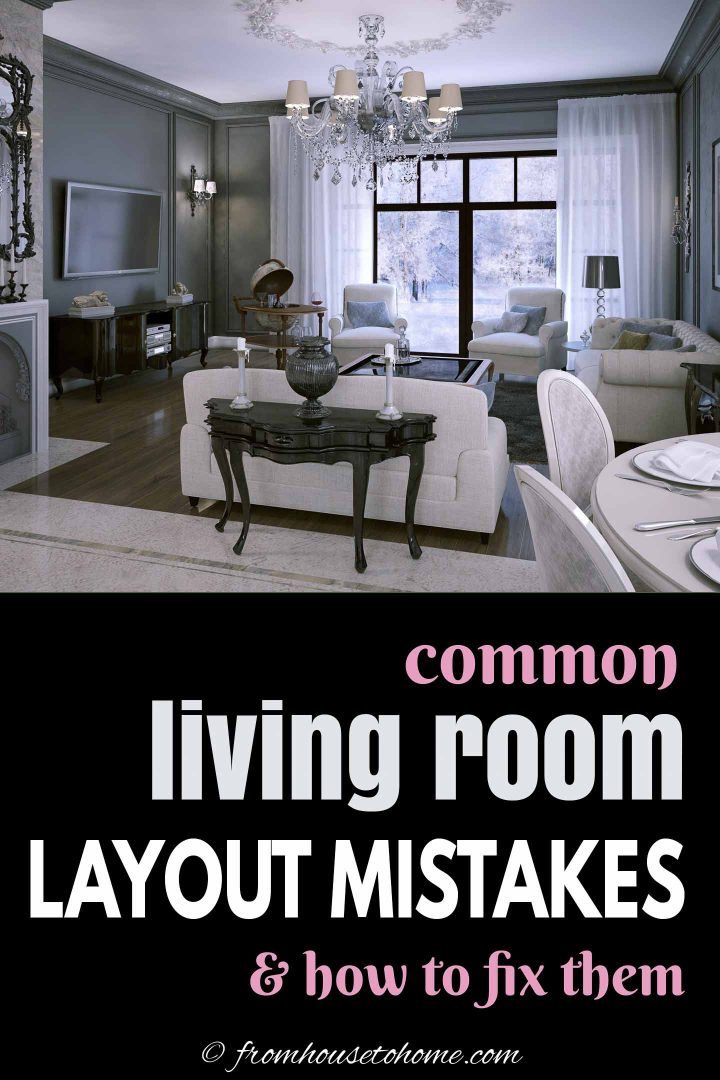
So it's no wonder that a lot of people have problems getting their living room furniture arrangement to look and feel right. And these common living room design mistakes may be the cause of those problems! The good news is…they all have easy-to-do solutions.
As you may (or may not) know, I'm a bit of a serial furniture arranger, especially in my living room.
I get bored of the decor in my house pretty quickly, and want to change it up.
The easiest way to do that without spending any money is to re-arrange the furniture.
So I've tried a lot of different living room furniture arrangements…and I've made my share of mistakes.
Which is why I'm sharing these living room layout do's and don'ts that might help you figure out why your living room isn't working as well as you would like.
A Note About Pinning: Some of these images are from houzz.com and cannot be pinned due to their copyright restrictions.
1 | Don't: Have Too Few Tables
This post may contain affiliate links. We make a small commission if you buy the products from these links (at no extra cost to you). As an Amazon Associate, I earn from qualifying purchases. But we only recommend products we would use ourselves. For more information, click here to see our disclosures.
One of the most common living room layout mistakes is not providing enough table space for people to put down a drink or a book.
Whether it's because your room is so small you couldn't fit a table in, or you have a table but it's so full of accessories that there's no room for a glass, this is an issue that should be corrected if you want your living space to feel comfortable.
Do: Provide easy access to a table for every seat
For small rooms that feel cluttered, try using a glass table which takes up less visual space.
I love to use an Eileen Gray table* in this situation.
It is height adjustable, usually not very expensive, and slides over the arm of the sofa so that it doesn't take up much room.
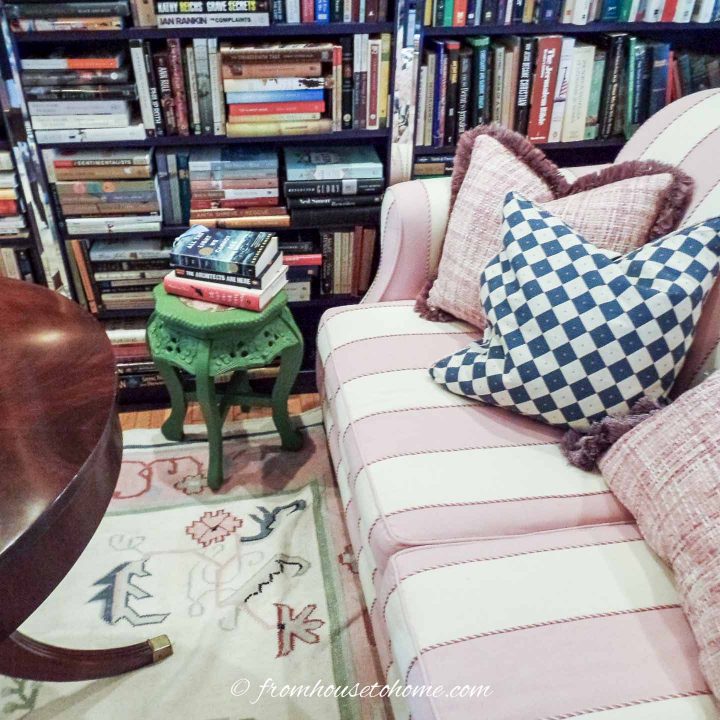
Or if you really don't have room for end tables, try placing a garden stool in front of the sofa.
They look pretty, are small enough to walk around but big enough to hold a cup of coffee.
2 | Don't: Create An Uncomfortable Conversation Area
The next living room layout don't is creating an uncomfortable conversation area.
The living room is the main public gathering place in most homes, so providing a place for people to sit and talk comfortably is important.
Most people prefer to be seated facing the person they are talking to, rather than right beside them.
So while a large sofa with a chaise at one end is perfect for watching TV, it isn't ideal for promoting conversation.
Do: Arrange furniture to make it easy to talk
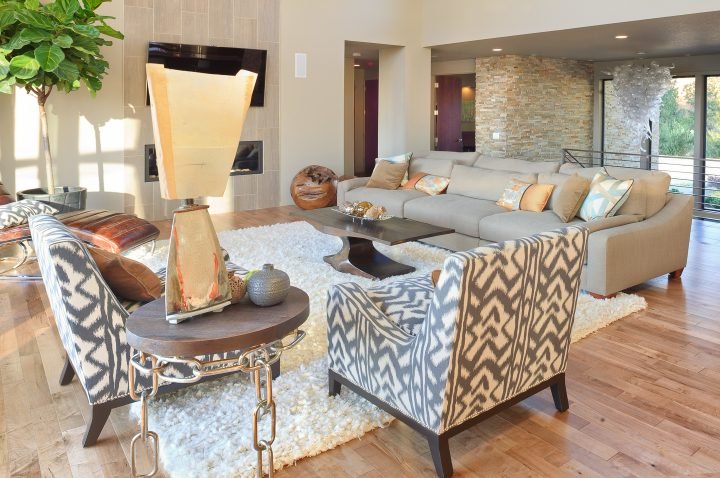
To provide a comfortable conversation area, arrange your sofa and chairs in a grouping so people are naturally facing each other.
Choose an area rug that is large enough for your furniture to fit on it using the following guidelines:
The chair or sofa legs should either be all on the rug, all off the rug or have the front legs on the rug. Note: If you choose the "legs all off the rug option", the rug should come right up to the edge of the chair legs. It will look unbalanced to have a small rug in the middle of the floor with the seating a couple of feet away.
All table legs should always be on the rug (table surfaces are less forgiving of being on a slant than chairs and sofas)
Your furniture grouping should be centered on your rug to make the room feel balanced.
To prevent people from tripping, the edges of the rug should not stick out into a pathway that people use to walk through the room.
4 | Don't: Use Too Many (Or Too Few) Pieces Of Furniture
If you're like me and tend towards the maximalist approach to decorating, you might be guilty of this living room layout don't: Cramming too much furniture into a small space.
If people have to contort their bodies to get in and out of the chairs around your coffee table, it may be time to re-think your living room furniture arrangement.
However, it's also not very comfortable to sit in a living room where the furniture is too far apart.
If you can't reach the table easily to put down your drink, the table may as well not be there.
And having to yell across the room to talk to someone sitting across from you makes having a conversation difficult.
Do: Space your furniture properly
Follow these rule-of-thumb measurements to create a comfortable furniture arrangement for your living room seating area:
Leave 14″ to 18″ between the sofa (or chairs) and the coffee table.
Chairs that are positioned beside each other should be about 18″ apart. That leaves enough room for a small table to fit between them.
Sofas (or chairs) that are positioned across from each other should be no more than 9 feet apart.
Also make sure you don't have too many tall breakable things on the tables, or your guests will be doing that contortion thing again to try to avoid breaking them (probably unsuccessfully in some cases).
5 | Don't: Line All The Furniture Up Along The Wall
The next living room layout issue that many people have is lining all of their furniture up against the wall.
While this is an easy way to get your furniture in the room, it ends up feeling somewhat like a high school gymnasium…with the stands (seating) all around the edges and a big open space in the middle.
Not exactly the warm, inviting look you want for your living room.
It's also harder to create a focal point this way, since your eye has a harder time figuring out where it is supposed to stop.
Pull at least some of the furniture away from the walls so that it "floats" in the room.
Even having one sofa (or a couple of chairs) that aren't anchored to the walls will help.
6 | Don't: Put All The Big Things On One Side Of The Room
Similar to having the furniture lined up against the wall, arranging all of your big pieces of furniture on one side of the room will make the room look off-balance.
It's like you're on a boat with everyone standing on one side. It feels like it's tilted to one side.
Many of today's open concept living rooms don't have a lot of wall space, so this mistake is easy to make since the big things tend to end up against the wall.
Do: Balance out the room
Pay attention to the placement of the big furniture pieces in your room. Try to spread them out across the room so they aren't all congregating in one area.
Balance out a large armoire with large chairs or a sofa
Large built-in features like floor to ceiling fireplaces, bookshelves and large windows also count as "big things" in your room.
So you can use them in your balancing equation, too.
If your windows aren't that big and your fireplace doesn't have much of a presence, build them up by adding floor to ceiling window treatments, or building a bigger fireplace mantel.
Find out more about interior design principles (like balance) HERE.
7 | Don't: Not Defining Activity Zones
A lot of houses these days have open concept living areas. Which is great for making a house feel open and airy.
But they can also feel like a huge cavernous space that is difficult to decorate.
And that's where defining activity zones becomes important.
The idea with activity zones is to decide what functions you need to be able to perform in the room – like entertain guests, watch TV and read a book.
Then define areas of the room where each of these activities will take place.
If moving the sofa is not an option (or you just like the way it looks in that location), try putting a sofa table behind it.
Then add a couple of lamps or some taller accessories to it.
This creates a barrier behind the sofa that eliminates the feeling of being unprotected.
9 | Don't: Block The Traffic Flow
All rooms should have a defined traffic pattern.
That's the path people will take to walk through the room and to get to different areas within the room.
If you have to navigate around multiple pieces or furniture and easy-to-knock-over accessories to get where you're going, then you have probably committed this living room layout mistake – blocking the traffic flow.
Do: Create a clear path
Make sure you know what the traffic pattern is for your room.
Then leave at least 30″ of space for the walkways through the room.
They should also be easy to navigate without having to worry about tripping over obstacles, such as lamp cords or tables.
And try to direct traffic around your conversation area, rather than through the middle of it.
10 | Don't: Rely Solely On Overhead Lighting
The last living room layout faux pas is relying solely on overhead lighting.
Ceiling lights are quick and easy ways to get light into a room.
But they usually aren't the most flattering. That downward light creates shadows on people's faces that doesn't look great.
And they often don't provide the right kind of light for all of the functions you need to use your living room for.
Do: Add lamps and sconces
Add sconces, table lamps and floor lamps to your living room area.
Eye level lighting fixtures make most people look their best so position a couple of table lamps in your conversation area.
For reading, a floor lamp that directs light downward towards your chair will work best.
For watching TV, make sure that whatever lights you add won't block the view or be reflected in the TV screen.
Layering different types of lighting together can create a really dramatic effect.
Now that I've given myself a refresher course on what not to do, I think my living room is calling for another room arrangement!
Other Living Room Decor Ideas You Might Like
L-shaped living room layout ideas
Living room decorating tips: How to create the perfect living room
Living room furniture arrangement tips
Small living room library makeover
Have comments or questions on our living room layout do's and don'ts? Tell us in the section below.